


efficient reverse osmosis system
WaterSense Reverse Osmosis: What Homeowners Should Know

A reverse osmosis system can give your kitchen a dedicated drinking-water tap, but efficiency matters more than many shoppers realize. The old complaint about RO was simple: too much water sent down the drain for each gallon of treated water. That is exactly why the EPA’s WaterSense program now includes point-of-use reverse osmosis systems.
The timing matters. EPA released the WaterSense specification for point-of-use RO systems in November 2024, then issued technical clarifications in August 2026. If you are shopping for a new home RO system this year, “does it filter?” is only the first question. The better question is: does it filter the water you care about, and does it do it without wasting more water than necessary?
What Is WaterSense Reverse Osmosis?
WaterSense is EPA’s water-efficiency label for products that meet defined efficiency and performance criteria. For reverse osmosis, EPA focuses on point-of-use systems: systems that treat water at one fixture, usually the kitchen sink or a countertop station.
EPA explains that RO uses pressure to push water through a semi-permeable membrane. Treated water is called permeate. The water sent to the drain is called concentrate or brine. On its WaterSense point-of-use RO page, EPA says older or inefficient systems can send five gallons or more to the drain for every gallon of treated water. Some can send up to ten gallons.
WaterSense-labeled point-of-use RO systems must meet a tighter efficiency mark: no more than 2.3 gallons sent down the drain for each gallon of treated water produced. EPA also estimates that choosing a WaterSense-labeled point-of-use RO system when replacing a typical RO system can reduce water use by more than 3,100 gallons per year.
That does not mean every home needs RO. EPA is careful on that point. Its guidance says other treatment methods that use little or no water may be enough for some water concerns. For a homeowner, the label is best used as a shopping screen, not as a reason to buy a system you do not need.
Why This Search Is Rising in 2026
Water shoppers are getting more specific. They are not just typing “best water filter” anymore. They are asking whether reverse osmosis removes PFAS, what NSF/ANSI 58 means, whether a countertop RO system works for renters, and whether newer RO systems waste less water.
That shift makes sense. EPA’s PFAS home filter guidance, updated August 3, 2026, tells homeowners to check local PFAS testing results first, then look for filters certified for the specific reduction claims they need. EPA’s home filtration fact sheet gives the same practical starting point: identify what is in your water, then choose treatment for that specific concern.
WaterSense adds another layer to that decision. It does not replace contaminant certification. It answers an efficiency question: when an RO system is the right treatment choice, has it been designed to reduce waste compared with older point-of-use RO systems?
The smart buying process is not “pick the most advanced-sounding filter.” It is this:
- Read your city water report or test your private well.
- List the contaminants, taste issues, or mineral concerns you want to address.
- Match those concerns to the right treatment type.
- Check certification and performance claims, not just marketing copy.
- Compare maintenance needs before you choose a system.
WaterSense Does Not Mean “Filters Everything”
This is the biggest point to understand. WaterSense is about efficiency and performance under the WaterSense specification. It is not a blanket contaminant claim.
EPA says WaterSense-labeled point-of-use RO systems are independently certified to meet WaterSense criteria for efficiency and performance. Those criteria include membrane life, total dissolved solids reduction, and verification of any additional contaminant reduction claims made by the manufacturer.
That last phrase matters. A system should not get credit for a contaminant claim unless the claim is tested and certified. If you care about PFAS, lead, arsenic, fluoride, nitrate, or another contaminant, look for that specific claim on the product’s performance data, packaging, or certification listing.
For PFAS, EPA’s 2026 guidance says homeowners should look for certification to NSF/ANSI 53 or NSF/ANSI 58 for PFAS reduction, then confirm the certification body’s product directory if they are unsure. EPA also notes that certification standards are being updated as federal PFAS standards evolve. That is a good reminder: do not assume one badge answers every question.
A practical rule: WaterSense can help you compare water use. NSF/ANSI and certification listings help you compare reduction claims. Your water report tells you what claims matter.
What to Check Before Buying a Point-of-Use RO System
A good RO system should fit your water, your space, and your maintenance habits. Start with the installation style.
An undersink RO system can be a strong fit when you own the home, have space under the sink, and want a dedicated faucet. A countertop RO system can be better when you rent, want no plumbing changes, or need a portable setup. A whole-house system is a different category and should be chosen from a full water test, especially on private wells.
Next, check system efficiency. If the model carries a WaterSense label, confirm what that label applies to. If it does not, compare waste-water ratios, storage design, and whether the system has a shutoff or recovery feature that reduces drain flow.
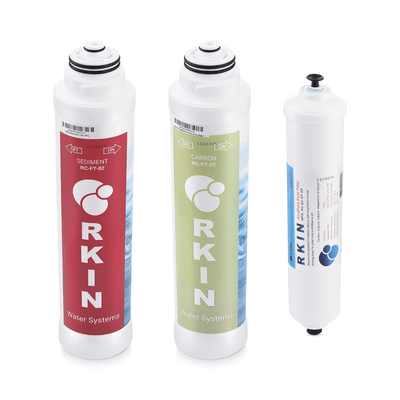
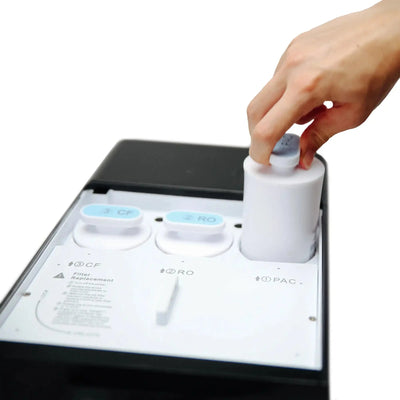
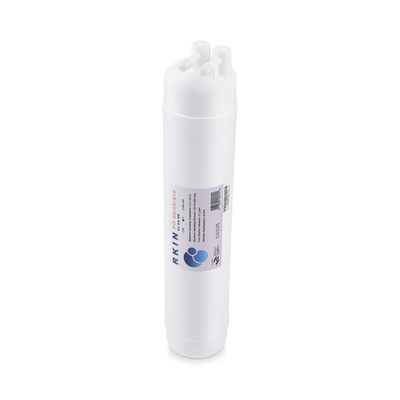
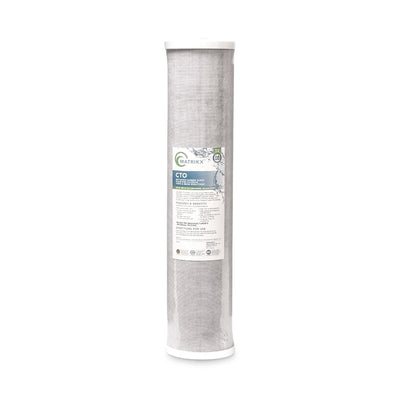
Then check filter maintenance. EPA tells homeowners to maintain treatment systems according to the manufacturer’s instructions. That matters with RO because the prefilters protect the membrane. A neglected sediment or carbon filter can shorten membrane life and reduce output.
Finally, check the experience. Does the system have filter-life reminders? Are replacement filters easy to identify? Can you access support if your water has high TDS, hardness, chloramine, iron, or sediment? A system that is hard to maintain tends to get ignored.
Where RKIN Fits
RKIN offers several point-of-use RO options for different homes.
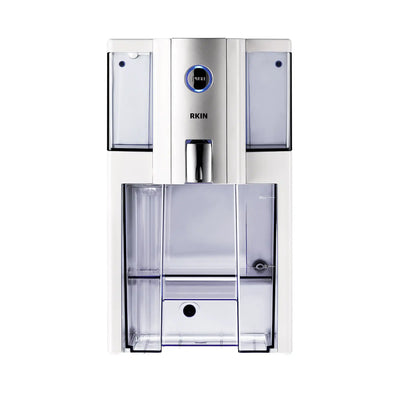
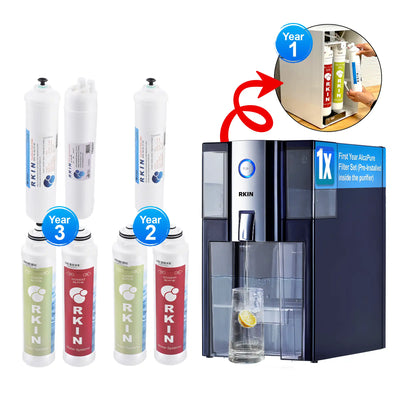
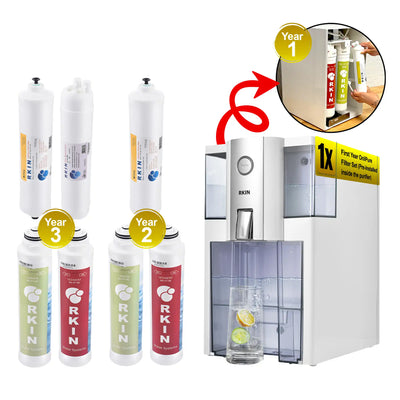
The RKIN Zero Installation Purifier Countertop Reverse Osmosis Water Filter is designed for people who want RO drinking water without plumbing changes. It is a countertop system, so it works well for apartments, condos, offices, and homes where drilling a faucet hole is not practical.
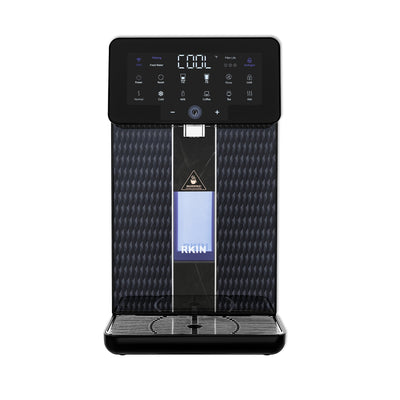
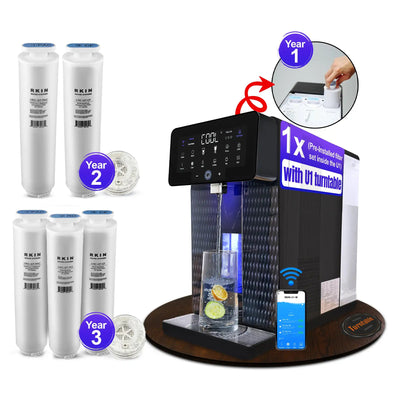
The RKIN U1 4-in-1 Water Filter System is also a countertop option. It combines RO filtration with a compact, fill-tank design and filter status visibility, which helps homeowners keep up with maintenance.
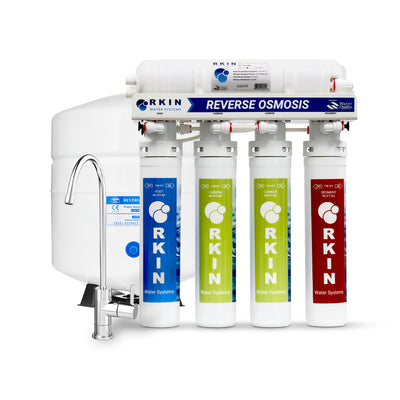
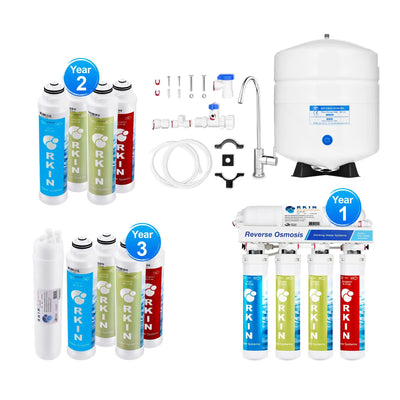
If you prefer an undersink setup, the RKIN Flash Undersink RO System connects to the cold water line and includes a compact storage tank. It is the better fit when you want filtered water from a dedicated faucet and have room under the sink.
As with any water treatment choice, start with your water. If you are comparing systems for PFAS, lead, fluoride, TDS, taste, or another concern, check the product page and performance information for the specific claim you need.
How to Choose Without Overbuying
The best water filter is not always the most expensive or the most complicated. It is the one matched to your actual water.
If your city water report looks normal but you dislike chlorine taste or odor, you may not need RO. A carbon-based system may be enough. If your concern is dissolved solids, fluoride, arsenic, PFAS, or a documented contaminant that RO is designed to address, RO may make more sense.
If you use a private well, do not guess. Test first. Well water can include sediment, iron, sulfur odor, hardness, bacteria, nitrate, arsenic, or seasonal changes after flooding or heavy rain. A point-of-use RO system may be part of the answer for drinking water, but it may not address whole-home issues like staining, scale, odor at every tap, or sediment entering appliances.
Also think about how the system will be maintained. If you will not remember filter changes, choose a system with reminders or put the replacement schedule on your calendar. If you move often, choose a no-plumbing option. If you want a clean built-in look and own the home, choose undersink.
Frequently Asked Questions
What does WaterSense mean for reverse osmosis systems?
WaterSense means a point-of-use RO system meets EPA criteria for water efficiency and performance. It does not automatically mean the system reduces every contaminant. Check the product’s specific certification and reduction claims for the contaminants you care about.
Are WaterSense RO systems better than regular RO systems?
They are designed to use less water than typical inefficient point-of-use RO systems while meeting EPA performance criteria. That can matter if you want RO treatment but care about drain waste. You still need to compare contaminant claims, installation style, and filter maintenance.
Does WaterSense certification replace NSF/ANSI 58?
No. WaterSense and NSF/ANSI standards answer different questions. WaterSense focuses on EPA efficiency and related performance criteria. NSF/ANSI 58 and other standards are used for specific drinking-water treatment claims, depending on the contaminant and product.
Do I need reverse osmosis for city water?
Not always. Start with your local water report. If your main complaint is taste or odor, carbon filtration may be enough. If your concern is a dissolved contaminant that RO is designed and certified to reduce, a point-of-use RO system may be a better fit.
Which RKIN RO system is best for renters?
The RKIN Zero Installation Purifier Countertop Reverse Osmosis Water Filter is usually the simplest renter-friendly choice because it does not require plumbing changes. The RKIN U1 4-in-1 Water Filter System is another countertop option when you want a compact fill-tank system.
Ready to Compare RO Options?
If you are shopping for WaterSense reverse osmosis, start with your water report, then compare efficiency, certified reduction claims, and maintenance. RKIN makes that choice simple with countertop and undersink RO systems built for different homes.
Start with the RKIN Zero Installation Purifier Countertop Reverse Osmosis Water Filter if you want no plumbing changes, or compare RKIN’s RO options to find the setup that fits your kitchen.






0 comments