




hard water treatment
Whole House Reverse Osmosis vs Water Softener: 2026 Guide

If your water test comes back at 19 grains per gallon, whole house reverse osmosis can sound like the “best” answer because it sounds bigger than a softener. That is usually the wrong starting point.
Hardness is a scale problem first. Reverse osmosis is a drinking-water purification technology first. Both can be useful, but they solve different jobs. The expensive mistake is buying the system with the most serious name before you know whether the problem is hardness, taste, odor, PFAS, well chemistry, or a mix of issues.
Start With the Test Result, Not the Biggest System
The question homeowners type is usually some version of “whole house reverse osmosis vs water softener.” The better question is: what is the water test telling you?
Hardness is measured as calcium and magnesium in the water. Many home tests report it in grains per gallon. Penn State Extension’s water softening guide explains that hardness minerals can create scale deposits in plumbing and appliances. That is why hard water shows up as crust around faucets, spots on glass, clogged shower heads, and water heater noise.
Reverse osmosis is different. It pushes water through a membrane designed to reduce many dissolved substances in drinking water. It is often used for concerns such as elevated TDS, lead, arsenic, fluoride, nitrate, PFAS, and taste issues. Those are drinking-water questions, not scale-on-the-water-heater questions.
If you are on city water, your first source is the latest Consumer Confidence Report. The EPA explains how to find your local water quality report, and summer is a good time to check because utilities publish annual reports for customers. If you are on a private well, test the well directly. A public report will not tell you what is happening in your well, pressure tank, or plumbing.
The rule is simple: do not pick equipment before you know which problem you are solving.
What Whole House Reverse Osmosis Actually Does
Whole house reverse osmosis treats water before it moves through the home. Instead of only filtering drinking water at the sink, it can reduce a wider range of dissolved substances for every faucet, shower, and appliance.
That sounds attractive, but it is not automatically the best answer for every home. Whole house RO is usually considered when water chemistry is serious enough that point-of-use treatment is not enough, or when a private well has a mix of dissolved contaminants that require a larger treatment plan. It may also need pretreatment, storage, repressurization, drain planning, and regular maintenance. In other words, it is a system design, not a single box.
For a home that only has hard water, whole house RO can be overkill. Hardness minerals can damage RO membranes and shorten service life if pretreatment is not handled correctly. A homeowner with 19 grains per gallon hardness should not hear “whole house RO” and assume that means no softener or conditioner is needed. Often, hardness has to be addressed before RO, not instead of it.
A better frame is this: whole house reverse osmosis is for broad whole-home purification when the water chemistry justifies it. A water softener or conditioner is for hardness and scale control. Drinking-water RO is for the water you consume.
What a Water Softener Does That RO Does Not
A salt-based water softener removes hardness minerals through ion exchange. In plain English, calcium and magnesium trade places with sodium or potassium ions on resin inside the tank. The result is water that tests soft.
That matters when the complaint is scale. A softener can reduce the mineral load that builds up in water heaters, dishwashers, shower heads, faucets, and plumbing fixtures. It can also change how soap feels and rinses. If a homeowner wants true soft water, a softener is the direct tool.
A salt-free conditioner works differently. It does not remove calcium and magnesium. It changes how hardness minerals behave so they are less likely to stick as hard scale. That means the water will still test hard, but the home can see less scale bonding to surfaces. For some homeowners, that is the right trade: scale control without salt, brine, or regeneration cycles.
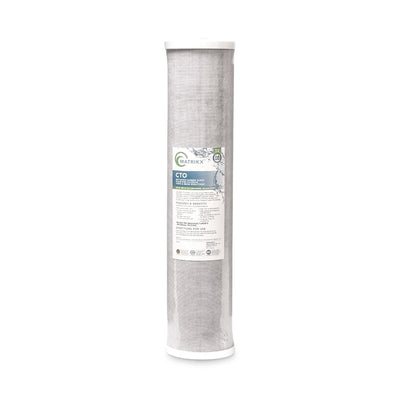
Neither option is the same as reverse osmosis. Carbon filtration helps with certain taste and odor issues. Sediment filtration catches particles. RO reduces many dissolved substances at the drinking-water point or, in special cases, whole-home scale. A softener handles hardness. The best setup may combine categories, but each one needs a job.
How to Decide Between Whole House RO, a Softener, and Drinking-Water RO
Use symptoms and test data together.
If your main signs are white crust, cloudy shower glass, scale around faucets, weak flow through aerators, or water heater rumbling, start with hardness. A softener or salt-free conditioner is the category to compare. Reverse osmosis will not be the first answer just because the water feels “bad.”
If your concern is drinking water — taste, odor, high TDS, PFAS, lead, arsenic, fluoride, nitrate, or what shows up on the water report — look at reverse osmosis for drinking water. A countertop or under-sink RO system treats the water you drink and cook with without trying to rebuild the entire plumbing system.
If your private well has multiple serious issues at once, such as high TDS, hardness, sulfur odor, iron staining, and other lab findings, then whole-home treatment may require a layered plan. That can include sediment, oxidation, carbon, softening or conditioning, and in some cases whole house reverse osmosis. The order matters because one stage can protect the next.
In my house, I would not buy whole house RO based only on a hardness strip. I would test first, separate scale control from drinking-water treatment, and choose the smallest system that solves the real problem.
Where RKIN Fits
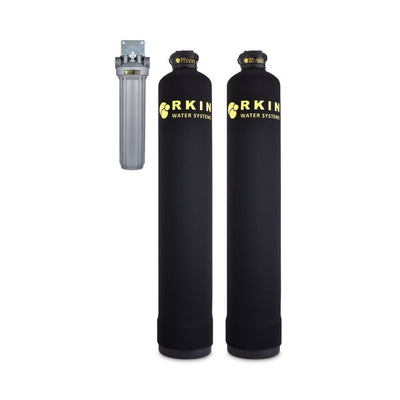
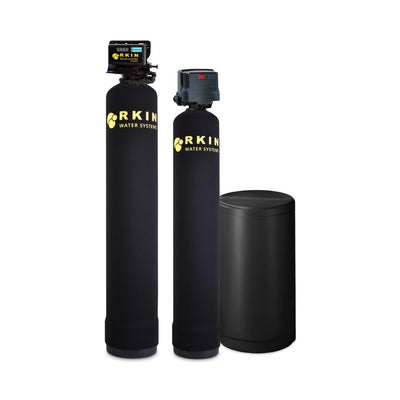
For homes with hardness and scale complaints, start with the RKIN whole-house water treatment collection. If you want true hardness mineral removal, the RKIN Water Softener System is the direct fit. If you want lower-maintenance scale control without salt, the RKIN OnliSoft Pro Salt-Free + Carbon Combo is built for scale control plus whole-house carbon filtration.
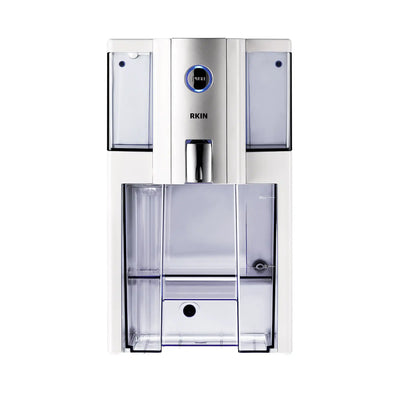
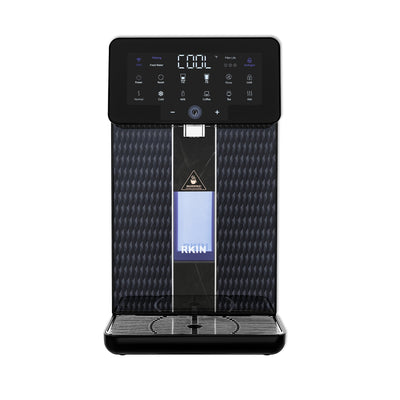
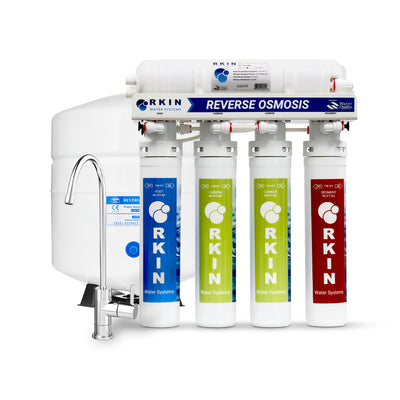
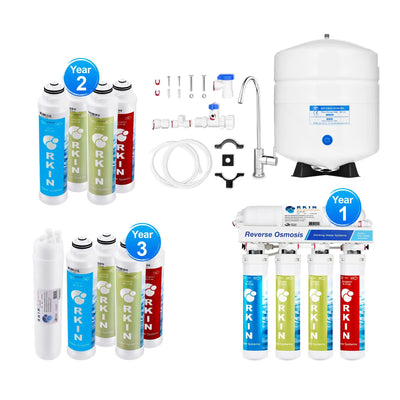
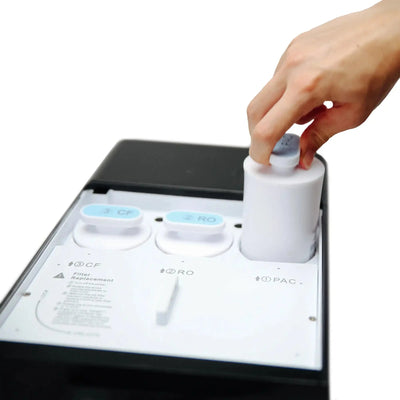
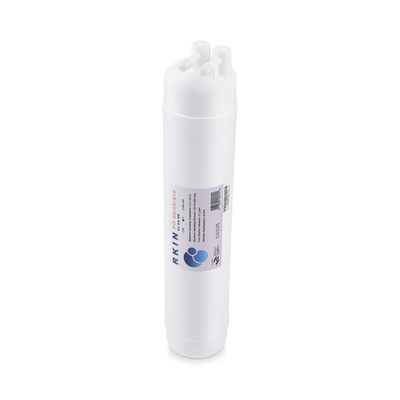
For drinking water, the RKIN Flash Undersink RO System treats the water at the kitchen sink with reverse osmosis. That is often the cleaner answer when the whole home has hard water but the drinking-water concern is separate.
If your lab result points to a broader whole-home purification need, the RKIN Whole Home Reverse Osmosis System may be worth reviewing with a water specialist. Just do not use it as a shortcut around testing. Whole house RO should be matched to the water chemistry, not used as a guess.
A Simple Buying Sequence
Before you compare equipment, write down three things: the test results, the symptoms, and the water sources affected.
For test results, collect hardness, TDS, pH, iron, manganese, sulfur indicators, chlorine or chloramine for city water, and any contaminant concerns from a lab or report. For symptoms, list where the issue shows up: shower glass, water heater, drinking water, laundry, ice, coffee, or outdoor fixtures. For water source, note whether you are on city water or a private well.
Then separate the job into categories. Scale and hardness need softening or conditioning. Taste and odor may need carbon. Drinking-water contaminants may need reverse osmosis at the sink or countertop. Whole-home dissolved-solids problems may need a larger design.
This keeps you from making the common mistake: asking one system to do every job. The right answer may be a water softener plus drinking-water RO. It may be a salt-free conditioner plus carbon. It may be whole house RO in a specific well-water case. The winner is the setup that matches the water, not the one with the longest spec sheet.
Frequently Asked Questions
Is whole house reverse osmosis better than a water softener?
Not automatically. Whole house reverse osmosis and water softeners solve different problems. A water softener removes hardness minerals. Whole house RO can reduce many dissolved substances across the home, but it is more involved and may still need hardness pretreatment. If your main issue is scale, start with hardness treatment.
Does reverse osmosis remove hardness?
Reverse osmosis can reduce many dissolved minerals, including hardness minerals, but that does not make it the default whole-home hard water solution. High hardness can foul RO membranes without the right pretreatment. For a hard-water home, a softener or conditioner is usually evaluated first.
Do I need whole house RO if I have 19 grains per gallon hardness?
A 19 grains per gallon result points to very hard water, so hardness treatment should be the first conversation. That may mean a salt-based softener or a salt-free conditioner depending on your goal. Whole house RO would only make sense if other test results justify whole-home purification.
Should I use a softener before reverse osmosis?
In many hard-water homes, yes. Pretreatment can protect RO membranes from scale. The exact setup depends on hardness level, TDS, source water, and the type of RO system. Test first, then design the order around the water chemistry.
Is under-sink RO enough if I have hard water?
Under-sink RO can be enough for drinking water, but it will not solve whole-home scale. If your shower heads, water heater, and dishwasher are scaling, you need a hardness strategy for the whole home. If your main concern is drinking water at the kitchen sink, under-sink RO can be a strong fit.
Ready to Match the System to Your Water?
Do not start with the biggest system. Start with the test result. If hardness is the problem, compare softening and scale-control options in the RKIN whole-house water treatment collection. If drinking water is the concern, look at the RKIN Flash Undersink RO System. The right setup is the one that solves the problem your water actually has.




0 comments