


cracked well cap water test
Cracked Well Cap? Water Tests to Run Before Filters

A cracked well cap changes the question from “Which filter should I buy?” to “What got into the well?” The EPA’s private well guidance says homeowners should test immediately when conditions near the well change, including flooding, land disturbance, repairs, or a noticeable change in odor, color, or taste.
That is the right order for an old hand-dug well too. The well structure is part of the water system. If the lid is cracked, the casing is damaged, surface water can reach the opening, or the well has unknown records, a filter quote is only step two. Step one is source-first diagnosis.
Why a Cracked Well Cap Is a Source Problem First
A modern drilled well is designed to keep surface water away from the water column. An old hand-dug well, shallow well, cracked cap, loose cover, damaged casing, or low wellhead can make that separation weaker. After heavy rain, yard runoff may carry soil, organic material, fertilizer residue, bacteria indicators, or other nearby contaminants toward the well opening.
That does not mean every old well has a severe problem. It means the first inspection should focus on entry points. Look at the cap, casing, surrounding grade, drainage pattern, nearby septic system, animal areas, fuel storage, irrigation, and any recent excavation. Water treatment equipment can improve water after it enters the plumbing, but it cannot repair a cracked lid or redirect runoff.
The EPA recommends testing private wells every year for total coliform bacteria, nitrates, total dissolved solids, and pH. EPA also recommends testing right away when nearby conditions change or water quality changes. That matters because a cracked cap is not just an equipment issue; it is a change in the protection around the source.
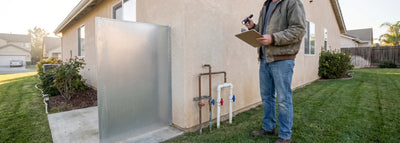
If your well is old and the records are thin, write down what you can see before sampling. Photos of the cap, lid, casing, pit, drainage, pressure tank, and plumbing route can help a well contractor or lab understand the setup. Also note recent rain, flooding, repairs, pump work, power outages, or a change in water level if you know it.
What to Do Before You Pull a Water Sample
Do not start by shocking the well, changing filters, or buying a whole-house system unless a local professional has told you to do that first. Those actions can change the sample and make it harder to know what was happening in the source water.
Start with a basic visual inspection. The cap should be secure. The casing should be intact. Surface water should drain away from the well, not toward it. The area around the well should not be buried under mulch, soil, leaves, storage bins, animal waste, or standing water. If the well is in a pit, ask a licensed well contractor whether that design needs correction, because pits can collect water and debris.
Then decide where to sample. If the goal is source diagnosis, ask the lab or local health department whether to sample before any treatment equipment. If the goal is what your family actually uses at the tap, a faucet sample may also be useful. Those are different questions. A faucet sample can be affected by plumbing, water heaters, old cartridges, softeners, and storage tanks. A source-side sample tells you more about the well.
Use the lab’s bottle and instructions. Bacteria bottles are usually sterile and may include preservatives. Touching the inside of the cap, rinsing the bottle, sampling from a dirty hose, or collecting from a swivel faucet can ruin the result. If the lab gives a time window for drop-off, follow it.
The First Water Tests to Run
For a cracked well cap or old hand-dug well, begin with tests that separate source safety indicators, minerals, nuisance issues, and treatment design. A good starter panel often includes total coliform and E. coli indicators, nitrate, nitrite, pH, total dissolved solids, hardness, iron, manganese, turbidity, and sometimes arsenic, lead, copper, sulfate, chloride, sodium, and VOCs depending on the property.
Total coliform and E. coli indicators tell you whether the well may have a pathway for microbial contamination. If either result is present, stop treating it like a normal filter-shopping problem and talk to your local health department or a licensed well professional about next steps. A carbon filter or softener is not the right answer to an active bacteria-indicator result.
Nitrate and nitrite are common private-well concerns in agricultural or septic-influenced areas. pH helps show whether water is acidic or scaling. TDS gives a general dissolved-mineral reading, but it does not tell you which minerals are present. Hardness tells you whether scale control or softening belongs in the plan.
Iron and manganese help explain orange, brown, gray, or black staining. Turbidity helps explain cloudiness and suspended material. Sulfate and hydrogen sulfide-related odor clues can help explain rotten-egg smell, though odor complaints need careful diagnosis because plumbing and water heaters can also contribute.
If there is a nearby fuel tank, gas station, landfill, dry cleaner, industrial site, pesticide storage, or recent chemical spill, tell the lab. The EPA’s private well page lists nearby activities that can guide which substances to test for. The right test panel depends on the property, not just the age of the well.
How to Read the Results Without Overbuying
Once the lab report comes back, resist the urge to assign every number to the same tool. A high hardness result points toward softening or conditioning. Iron and manganese point toward well-water filtration built for those minerals. Sulfur odor may need oxidation or media matched to the water chemistry. Low pH may need correction before downstream equipment. High TDS or sodium may point toward reverse osmosis for drinking water, not a standard whole-house carbon filter.
Also separate one-time disturbance from ongoing source conditions. If a cracked lid let runoff into the well during a storm, the immediate work may be cap repair, grading, cleaning, professional well service, and retesting. If the retest after repair is clean but hardness remains high, then a softener conversation makes sense. If iron or manganese remains high, then a well filter conversation makes sense.
Do not use color alone as the treatment plan. Brown water can come from iron, sediment, tannins, disturbed plumbing, water heater sediment, or a failing filter. Rotten-egg odor can come from the well, hot water side, bacteria activity, or plumbing conditions. Black particles can be manganese, carbon fines, rubber gasket breakdown, or pipe material. The lab report narrows the lane.
For homeowners with an inherited property, ask for well records. The University of Arizona Cooperative Extension notes that private well owners may need to keep ownership, performance, and equipment records current themselves. That same habit helps anywhere: keep the well depth, pump details, casing notes, service history, lab results, and treatment equipment manuals in one folder.
When a Whole-House Well Filter Fits
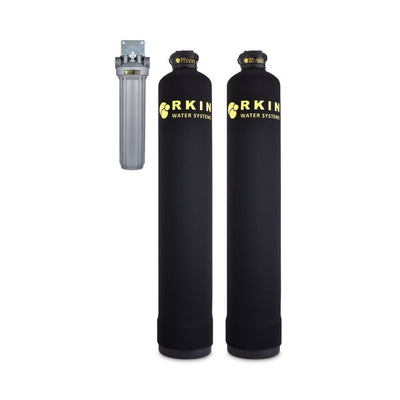
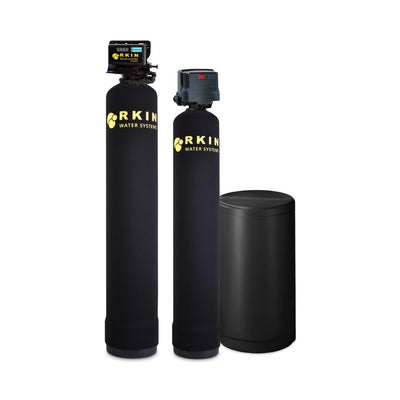
A whole-house well filter fits after the water test points to a whole-home problem that the system is designed to solve. If your lab results show iron, manganese, and sulfur odor issues, the Sulfur, Iron, Manganese Well Water Filter System is built for that well-water lane. If hardness is also confirmed, the Advanced Water Softener and Well Water Filter Combo may be the cleaner fit because it pairs well filtration with softening.
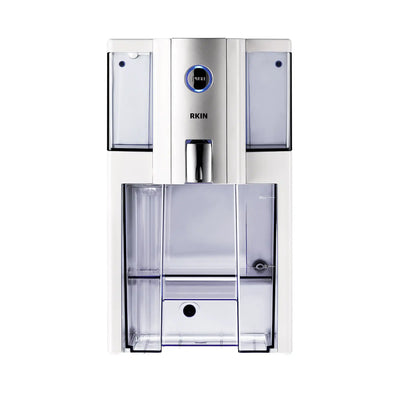
If the test mainly shows hard water, a softener may be enough. If the test mainly shows drinking-water TDS, sodium, chloride, arsenic, or other dissolved contaminants that need point-of-use treatment, a reverse osmosis drinking-water system may belong at the kitchen sink instead of treating the entire home first. If bacteria indicators are present, follow local guidance before relying on filtration.
This is the honest sequence: repair the source problem, test the water, match treatment to the confirmed result, then retest when needed. That is slower than buying equipment the same day, but it prevents the common mistake of installing the wrong system on top of an unresolved well issue.
What to Ask a Well Contractor or Lab
Bring specific questions. “Is my water bad?” is too broad. A better set of questions gets you closer to a clean decision.
Ask the lab which sample location matches your goal. Ask whether the cracked cap or hand-dug construction changes the recommended panel. Ask whether bacteria samples need special handling or a same-day drop-off. Ask whether the result should be repeated after repair.
Ask the well contractor whether the cap, lid, casing, pit, venting, grading, and drainage meet current expectations. Ask if the wellhead should be raised, sealed, repaired, or replaced. Ask whether nearby septic, animals, fertilizer, or standing water are too close for comfort. Ask what work should happen before treatment equipment is installed.
Then ask the water treatment company to tie each recommendation to the report. If they recommend a well filter, which result supports it? If they recommend a softener, what was the hardness? If they recommend reverse osmosis, is the concern at every tap or mainly drinking water? If they recommend carbon, which taste, odor, chlorine, chemical, or aesthetic issue is it addressing?
Good answers make the decision smaller. Vague answers make the equipment list longer.
Me personally, I would repair the cap and test the well before buying a filter.
Frequently Asked Questions
Should I test water after finding a cracked well cap?
Yes. EPA guidance recommends testing private wells immediately when conditions near the well change or when water quality changes. A cracked cap can create a pathway for surface water, so test before choosing a filter. Ask your local health department or lab which sample location and test panel fit your well.
What should I test in an old hand-dug well?
Start with total coliform and E. coli indicators, nitrate, nitrite, pH, TDS, hardness, iron, manganese, and turbidity. Depending on nearby land use, you may also need arsenic, lead, copper, sulfate, chloride, sodium, pesticides, or VOCs. The lab or local health department can help tailor the panel.
Can a whole-house filter fix bacteria in well water?
Do not handle a bacteria-indicator result as a normal filter purchase. If total coliform or E. coli indicators are present, talk to a local health department or licensed well professional. The well may need source repair, service, and retesting before a standard whole-house filter plan makes sense.
Is brown well water always iron?
No. Brown water can come from iron, sediment, disturbed plumbing, water heater sediment, tannins, or a failing filter. Test for iron, manganese, turbidity, pH, and related minerals before picking equipment. The right treatment depends on what the report shows.
When should I buy a well water filter?
Buy after the source issue is inspected and the lab results show a treatable whole-home problem. If iron, sulfur odor, or manganese remain after source repairs, a whole-house well filter may fit. If hardness is also high, a combined well filter and softener may be the better path.
Ready to Solve the Well Water Problem in the Right Order?
Do not guess from color, odor, or an old equipment label. Fix the well entry point, test the source, and match the system to the report.
If your results show iron, sulfur odor, manganese, and hardness, review RKIN’s Whole House Water Treatment options or contact RKIN with your lab report so we can help you choose the right lane before you buy.





0 comments