


fluoride water filter claim
How to Verify a Fluoride-Reduction Claim on an RO System

Short answer: look for an explicit fluoride-reduction claim for the exact reverse osmosis model. An NSF/ANSI 58 mark by itself does not prove every optional reduction claim, and TDS reduction does not substitute for a fluoride listing.
NSF/ANSI 58 Is a System Standard
NSF/ANSI 58 covers point-of-use reverse osmosis drinking-water treatment systems. The standard includes required and optional performance areas. A model can be certified to the standard without carrying every optional reduction claim.
The NSF overview of NSF/ANSI 58, dated December 18, 2025, explains that TDS reduction is required and fluoride reduction is optional. That is why the exact claim matters.
Do not stop at a logo on a sales page. Record the manufacturer, full model number, certifier, and the named fluoride claim in the listing or performance data sheet.
Find the Model Number and Data Sheet
The model number on the unit, packaging, and performance data sheet should agree. A family name can cover several versions with different cartridges, membranes, tanks, or claims.
Open the performance data sheet and look for fluoride under reduction claims. Read the test conditions, rated capacity, flow, feed-water limits, replacement schedule, and any statements that limit the claim.
Save the document with the purchase record. A screenshot of a retailer bullet is not the same as the certifier's current listing or the manufacturer's formal data sheet.
Check whether the listing names a base model, a suffix, or a family of models. One missing letter can represent a different membrane, faucet, tank, or replacement schedule, so match the full identifier.
Verify the Model in the Certifier Directory
Use the certifier named on the label and search its directory for the exact model. Confirm that the listing is active and that fluoride is named. If the model number or replacement parts differ, ask the manufacturer or certifier for clarification before buying.
The EPA WaterSense home water-treatment guide, published November 2024, tells buyers to match certification and the exact reduction claim to the treatment goal.
Me personally, I would save a PDF of the listing on the purchase date. That gives the household a clear record of what was verified for that model.
If the directory lists several model variations, compare every suffix and footnote. A shared product photo does not prove that two model numbers use the same membrane or carry the same optional claim.
TDS Reduction Does Not Prove a Fluoride Claim
An RO system may lower TDS because the membrane reduces a broad range of dissolved material. A TDS meter cannot identify fluoride. Two waters can show the same TDS and have different fluoride levels.
A lower TDS reading can be a useful operating clue, but it does not replace the model's explicit claim or a laboratory test. Do not convert a percentage drop on a handheld meter into a fluoride reduction percentage.
The CDC's home water-treatment overview, dated April 10, 2024, says RO may reduce fluoride and tells users to check the label for the chemicals the system removes.
Keep the System in Its Tested Setup
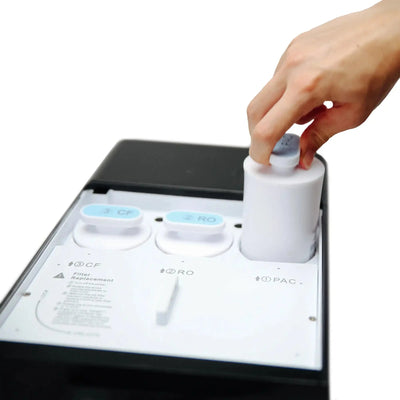
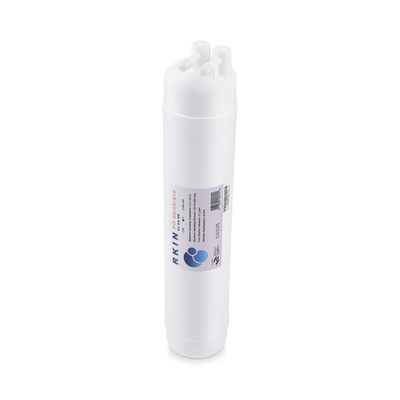
Certification describes a specific configuration. Use the specified membrane and replacement cartridges. Installing an unlisted part, skipping stages, changing flow, or running overdue filters can move the unit away from the setup tied to the claim.
Follow feed-water pressure, temperature, pH, and maintenance instructions. Record installation and replacement dates. If production falls, taste changes, or the system sits unused, follow the manufacturer startup and service guidance.
A claim also does not mean the system reduces every chemical in the water. Match each household concern to a separate named claim or lab result.
After service, confirm there are no leaks and that the system has completed the required flush. Do not judge performance from the first glass if the manual requires a longer startup or sanitizing step.
Check Whether Fluoride Is Present First
Public-water users can start with the utility's annual report and local fluoride information. Private-well users should test if fluoride is a decision factor because well chemistry is property-specific.
The published RO and fluoride guide answers the broad yes-or-no query. This page is for checking a product claim before purchase.
If the local result does not show fluoride at a level that matters to the household's stated goal, do not let a generic feature list drive the entire system choice. Size the decision around the actual water and daily use.
For a private well, ask the certified laboratory how often the measurement should be repeated for local conditions. For public water, save the current report and check the utility's update schedule.
Seven-Point Claim Check
- Identify the exact RO model number.
- Find the formal performance data sheet.
- Confirm the named certifier and current directory listing.
- Verify that fluoride reduction is explicit.
- Read test conditions, capacity, and feed-water limits.
- Use the listed membrane and replacement cartridges.
- Check the local water report or lab result before deciding.
Understand the Words in a Certification Listing
A listing may distinguish certified product, component, replacement element, and reduction claim. The system claim belongs to the complete tested configuration, not automatically to a membrane sold by itself. Read whether the directory entry covers the full unit or only one component.
Look for notes about alternate model names, faucet choices, storage tanks, production rates, and replacement elements. A retailer may shorten the product name, so the model number is the safer match.
If the directory links to a performance data sheet, save both records. The listing confirms the certification entry; the data sheet explains operation, capacity, service, and feed-water conditions.
Feed-Water Conditions Affect Real Ownership
RO systems depend on adequate feed pressure and water conditions within the manufacturer's limits. Cold water, low pressure, high dissolved load, fouling, or an overdue prefilter can reduce production and change the waste-to-treated-water pattern.
Those operating changes do not authorize a homeowner to invent a fluoride result from TDS. They are maintenance clues that the system needs service or a qualified performance check.
If the home uses private-well water, review sediment, iron, hardness, pH, pressure cycling, and microbiological concerns before selecting a point-of-use RO. Pretreatment may be needed to protect the membrane, but each added stage should have a confirmed job.
Walk Through a Claim Check
Suppose a product page says certified to NSF/ANSI 58 and lists a broad set of benefits. First, copy the exact model number. Second, search the named certifier's directory. Third, open the model entry and find fluoride among the explicit claims. Fourth, compare the required membrane and cartridges with the cart.
Then read the performance data sheet for capacity, rated flow, feed-water limits, startup, replacement, and testing notes. Save the documents and set service reminders. If fluoride is missing from the current listing, ask for written clarification or choose a model with a verified claim.
Finally, check the local water result. The clean purchase decision connects three things: fluoride is present, the exact model carries the claim, and the household can maintain the system in the configuration that was tested.
Keep Verification Current After Purchase
Certification directories and product configurations can change. Save what you verified at purchase, then check the current listing when replacing a membrane, changing a cartridge set, or moving the system to a different feed-water source.
If the manufacturer replaces a part number, ask whether the new part keeps the fluoride claim for the exact model. Keep the written answer with the service record. Do not assume that a physically compatible cartridge preserves the tested configuration.
For a household that wants laboratory confirmation, ask a certified lab about fluoride sampling before and after the system. Label sample locations and follow its instructions. A lab result can evaluate the water at that time; the listing explains the claim tied to the maintained model. Store both records with the maintenance dates and the exact membrane and cartridge numbers used during sampling.
The reason I would verify the listing before buying is that a standard number tells you the testing framework. The named claim tells you whether it matches your goal.
Frequently Asked Questions
Does NSF/ANSI 58 always include fluoride reduction?
No. Fluoride reduction is an optional claim. Verify it for the exact model in the certifier's listing or performance data sheet.
Can a TDS meter confirm fluoride reduction?
No. A TDS meter does not identify fluoride and cannot replace an explicit claim or laboratory test.
Where do I find the exact RO model number?
Check the unit label, packaging, manual, and performance data sheet. Those identifiers should agree with the certifier listing.
Can I use any replacement membrane?
Use the parts specified for the certified model. Unlisted parts can move the system away from the configuration tied to the claim.
Should I check local fluoride levels first?
Yes. Start with the utility report or a private-well lab result so the treatment goal reflects the actual water.
Verify the Claim Before the Checkout
Write down the exact RO model, open its performance data sheet and certifier listing, and confirm an explicit fluoride-reduction claim plus the required replacement parts before buying.






0 comments