


private well water testing after wildfire
Well Water After Wildfire: What Homeowners Should Test

Wildfire risk does not end when the flames are out. For homeowners on private wells, the next question is practical: did heat, ash, runoff, damaged wiring, or a loss of pressure affect the water system?
State and federal well-water guidance points to the same order after fire exposure: inspect visible well components, avoid damaged electrical equipment, and test water before returning to normal use. That advice matters because private wells are not covered by a city water report. The homeowner is responsible for testing, repairs, and the treatment plan.
Why wildfire can affect private well water
A properly built well is designed to keep surface water out. Wildfire can still create problems around the wellhead and plumbing. Heat can damage plastic parts, pressure tanks, above-ground pipes, well covers, electrical components, and treatment equipment. Ash and debris can collect around the casing. Firefighting water and post-fire rain can move material across the ground faster than usual.
The Minnesota Department of Health guidance for private wells after wildfire is direct: do not turn on the pump if electrical parts are damaged, inspect the well and pressure tank, and test water after wildfire exposure. That does not mean every well is contaminated after every smoke event. It means a visual check alone is not enough when the well system may have been damaged.
Timing matters too. A well may look fine immediately after the fire, then change after the first heavy rain. Burned soil and ash can move with runoff. If the well cap is cracked, the casing is damaged, or the ground slopes toward the well, that runoff becomes more concerning.
First step: inspect before you run water
If the property had direct fire damage, start outside before opening taps inside.
- Look for melted, cracked, or missing well caps.
- Check exposed pipes, wires, pressure tanks, and treatment equipment.
- Keep clear of damaged electrical parts.
- Look for ash, debris, or burned vegetation piled near the wellhead.
- Note whether surface water drains toward the well.
- Check whether the well casing appears bent, cracked, loose, or scorched.
- Photograph visible damage before cleanup or service.
If electrical parts were damaged, do not power the pump to “see if it works.” The CDC advises contacting a qualified electrician, well contractor, or pump contractor before turning the system back on. That is not a water filter problem. It is a safety and equipment problem.
If there is no direct damage, still watch the water closely over the next few weeks. Changes in color, odor, pressure, sediment, or taste after rain deserve attention.
What to test after wildfire exposure
Start with local guidance. County health departments, state environmental agencies, and extension offices may recommend specific tests after regional fires. A basic private-well test often includes bacteria, nitrate, pH, conductivity, turbidity, and metals. After wildfire damage, ask the lab or local agency whether volatile organic compounds, fuel-related compounds, or other fire-related markers are recommended for your situation.
The EPA private wells guide says owners are responsible for protecting, maintaining, and testing their well water. A wildfire, damaged wellhead, sudden sediment, strange odor, or nearby runoff event qualifies as a reason to stop guessing and use a certified lab.
Do not rely on a countertop TDS meter as a wildfire test. Total dissolved solids can show that dissolved material is present, but it does not identify bacteria, fuel compounds, metals, or specific contaminants. It can be a tracking tool, not a lab substitute.
Also avoid using smell alone. Some problems have a strong odor. Others do not. Clear water can still deserve testing after equipment damage or runoff.
What does not fix a post-wildfire well issue
Boiling water is not a complete answer. It can be useful under certain emergency instructions, but it does not remove ash-related chemicals, metals, fuel compounds, or many dissolved substances. Follow local health guidance and lab results rather than assuming heat solves every concern.
A pitcher filter is not a private-well recovery plan. Pitchers may improve taste for certain uses, but they do not repair a damaged cap, disinfect a contaminated well, replace damaged wiring, or treat all fire-related concerns.
A whole-house filter should not be installed before testing just to “cover everything.” Water treatment works best when it is matched to known water chemistry. If wildfire changed the well, you need to know what changed before choosing equipment.
And do not ignore pressure. Low pressure after fire response, pump service, or power interruption can point to pump, tank, pipe, or valve issues. A filter cannot fix a mechanical problem upstream.
When disinfection is part of the plan
If bacteria are found, or if a qualified local agency recommends it, well disinfection may be needed. The state wildfire well guidance explains why damaged components, disinfection, and follow-up testing should be handled carefully.
Disinfection is not the same as filtration. Disinfection addresses specific microbial concerns. Filters address specific physical or chemical concerns based on their design and claims. A post-wildfire plan may need inspection, repair, disinfection, flushing, lab retesting, and then treatment equipment only after the water data supports it.
If your well was directly exposed to fire, chemical storage, damaged vehicles, burned structures, or firefighting foam, call your local health department before treating the water as normal. The right test panel may be different from a routine annual well test.
Where RKIN fits after testing
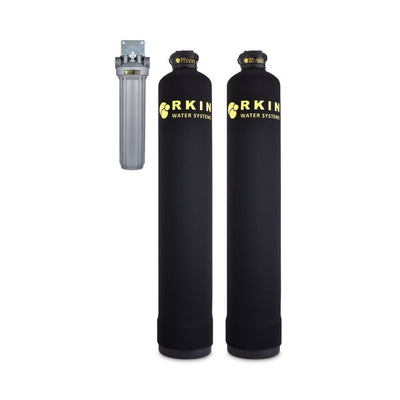
Once the well is inspected and test results are in, compare treatment based on the actual findings. If your water shows common well concerns such as sediment, iron staining, sulfur odor, or manganese, the RKIN Sulfur, Iron, Manganese Well Water Filter System is a whole-house option to review for those specific issues.
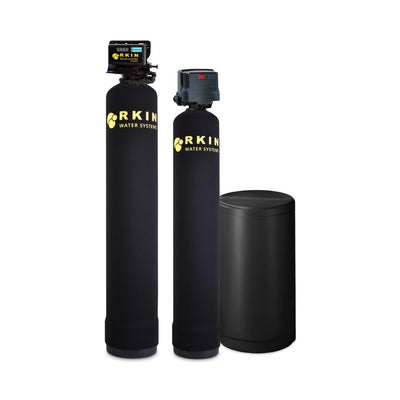
If your test results point to both hardness behavior and well-water concerns, compare the RKIN Advanced Water Softener and Well Water Filter Combo or the RKIN Advanced Salt-Free Water Conditioner and Well Water Filter Combo. The salt-based path and salt-free path solve different problems, so choose from the test results and your maintenance preferences.
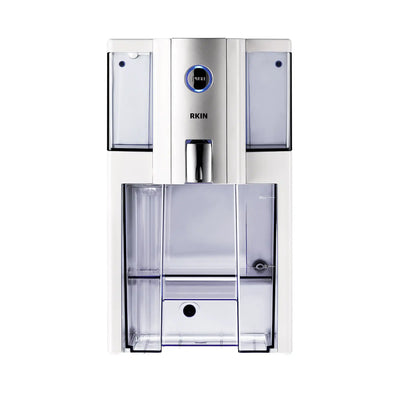
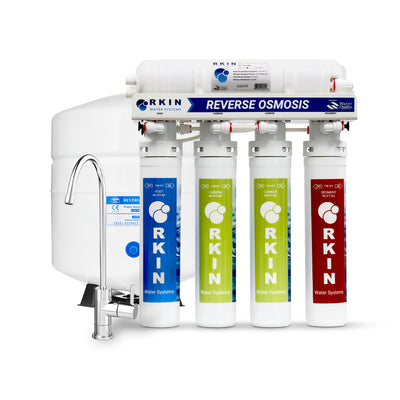
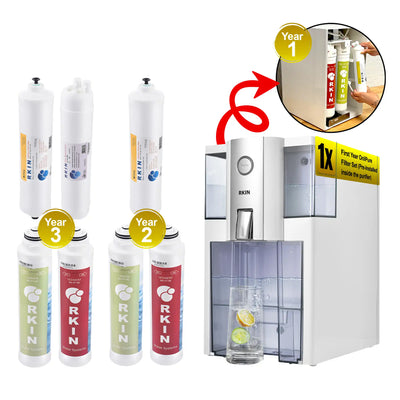
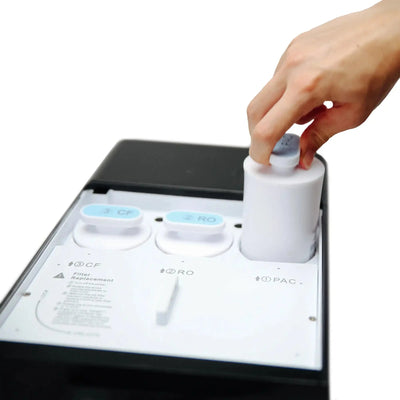
If the issue is drinking and cooking water at one tap, a point-of-use reverse osmosis system can belong in the conversation after the well is safe to use. The RKIN Zero Installation Purifier Countertop Reverse Osmosis Water Filter is a countertop option for drinking-water treatment without permanent installation. It is not a substitute for repairing, disinfecting, or testing a damaged private well.
A post-wildfire well water checklist
Use this order after a nearby wildfire, direct property damage, or heavy ash exposure:
- Follow local emergency guidance first.
- Inspect the well cap, casing, exposed wiring, pump controls, pressure tank, and treatment equipment.
- Do not power damaged electrical equipment.
- Clear debris around the well only when it is safe to do so.
- Test through a certified lab before returning to normal use if the well was exposed or damaged.
- Ask the lab or health department which post-fire test panel fits your property.
- Disinfect only when recommended and follow proper steps.
- Retest after repair, disinfection, or flushing when instructed.
- Match filters and whole-house treatment to the final test results.
This order keeps the priority straight. Repair comes before treatment. Testing comes before claims. Filters come after you know what needs to be reduced.
Frequently Asked Questions
Should I test well water after a wildfire?
Yes, test if your property, wellhead, pressure tank, wiring, plumbing, or treatment equipment was exposed to fire, ash, flooding, heavy runoff, or firefighting activity. Private wells are the owner’s responsibility, and a lab test gives better direction than taste, smell, or appearance alone.
Can wildfire ash get into a private well?
A sealed, properly built well is designed to keep surface material out. Risk rises when the cap, casing, vent, grout, plumbing, or surrounding drainage is damaged. Post-fire rain can also move ash and debris across the property. Inspect the well and test if exposure or damage is possible.
Is boiling enough for well water after wildfire?
Boiling is not a complete post-wildfire treatment plan. It may address certain emergency instructions, but it does not repair equipment or remove many dissolved chemicals and metals. Follow local health guidance, inspect the well, and use lab testing before deciding how to treat the water.
What kind of filter do I need after wildfire smoke or ash?
The filter depends on the test results. Sediment, iron, sulfur odor, hardness, bacteria, and fire-related compounds are different problems. Some require repair or disinfection before filtration. Avoid buying a system until you know what the water test shows.
Can a whole-house water filter fix wildfire well damage?
No. A whole-house filter can treat specific water-quality issues when matched to the water chemistry, but it cannot fix a cracked well cap, damaged wiring, a compromised casing, or a pump problem. Start with inspection, repair, testing, and retesting before choosing equipment.
Ready to Make a Safe Well-Water Plan?
After wildfire exposure, do not buy a filter first and hope it covers the problem. Inspect the well, test the water, repair damaged equipment, then choose treatment based on the results.
If testing points to common well-water issues, compare RKIN whole-house options starting with the RKIN whole house water treatment collection. Use the data from your well, not guesswork, to choose the right path.






0 comments